
CVD vs HPHT Diamonds: What’s Really the Difference in Lab Made Diamonds?
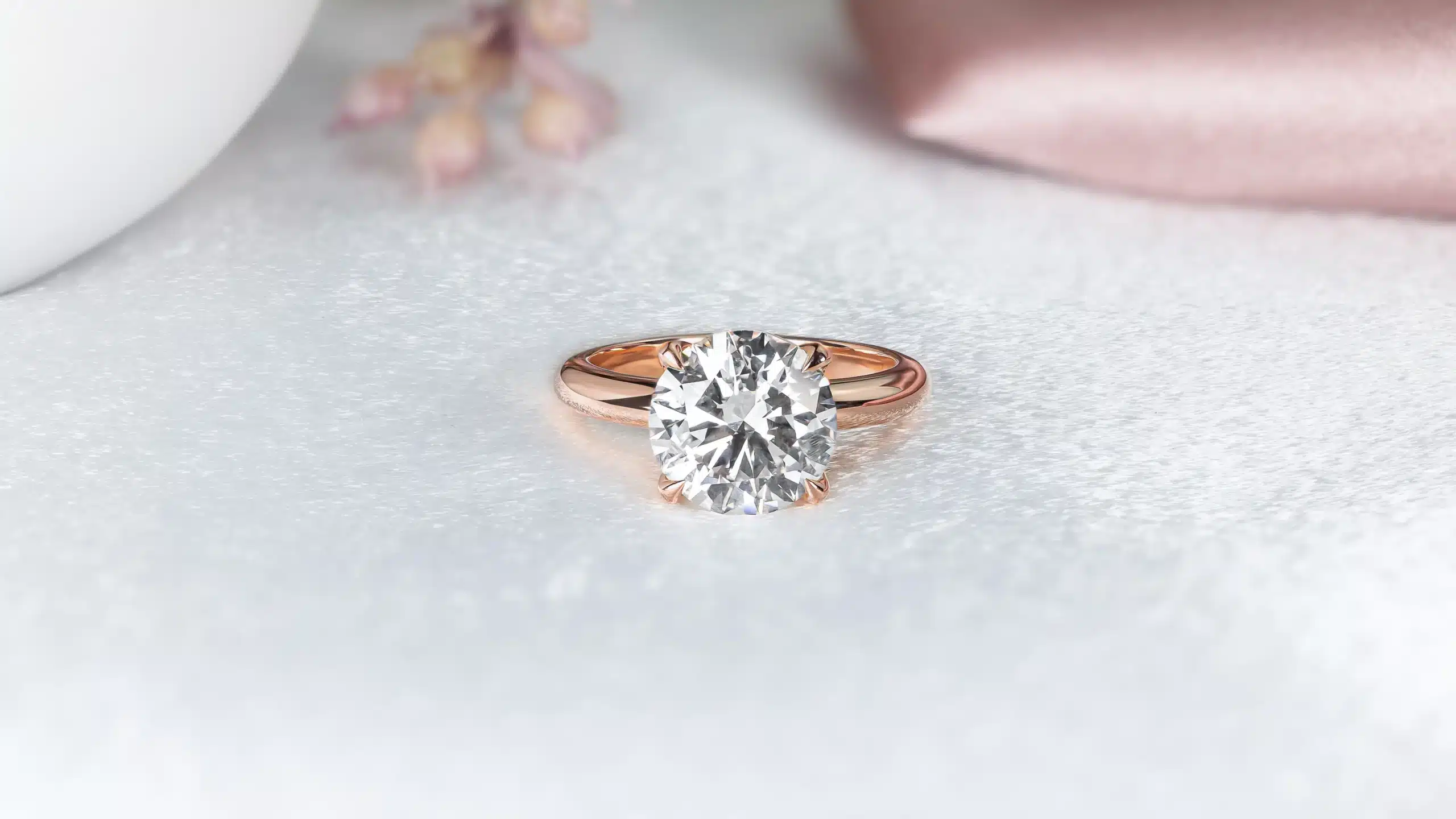
Ever heard someone say, “They’re just lab made diamonds, not real ones”? Yeah, that line gets thrown around way too much. But here’s the kicker — lab made diamonds are real diamonds. Chemically. Physically. Sparkle-wise. The only difference? They’re born in a lab, not in the Earth’s crust over a billion years.
Now, when people start digging into this world, two big names pop up: CVD vs HPHT diamonds. These are not fancy marketing terms. They’re the two main ways diamonds are made in labs — kind of like different recipes for the same dish. But oh boy, the flavor (and price) can vary.
So, let’s break this down in plain talk. Because, honestly, who wants a geology lecture when you just want to know which one shines better on your finger?
Table of Contents
The Backstory – From Billion Years to a Few Weeks
Let’s rewind a bit. Natural diamonds take forever to form — literally a billion years under insane heat and pressure deep inside the Earth. Volcanoes then shoot them up closer to the surface (thanks, nature!). Humans dig them out, polish them, and voilà — that’s your shiny engagement ring.
But around the 1950s, scientists were like, “Why wait a billion years?” Enter lab made diamonds. By replicating Earth’s natural diamond-making environment, they started creating diamonds in weeks instead of millennia. Magic? Not really — just science doing its thing.
Now, these geniuses came up with two main processes:
-
HPHT (High Pressure High Temperature) – old-school, first invented method.
-
CVD (Chemical Vapor Deposition) – newer, sleeker, techy version.
Both create real diamonds, not fakes or imitations. (If you’re thinking of cubic zirconia or moissanite — that’s another story entirely.)
But here’s where things get interesting. Each process gives the diamond a slightly different backstory, and yeah, a bit of personality too.
CVD vs HPHT Diamonds – The Real Difference
Let’s face it, acronyms can be annoying. So here’s a chill breakdown of CVD vs HPHT diamonds, minus the science jargon overload.
HPHT Diamonds: The Old-School Heavyweight
HPHT stands for High Pressure High Temperature. Think of it as the OG method — like making diamonds the same way the Earth does, just in a high-tech machine. A tiny diamond seed (basically a baby diamond) is placed in a chamber, blasted with extreme pressure (around 1.5 million PSI!) and crazy heat (about 1,600°C).
What comes out? A full-grown diamond crystal. Pretty amazing, right?
But here’s the catch: HPHT diamonds sometimes carry a slight “metallic” tint due to the metal catalysts used during the process (like iron, nickel, or cobalt). It’s subtle — only gemologists really notice it — but if you compare them side by side, HPHT stones can look warmer or slightly yellowish.
That said, HPHT can produce very high-quality colorless diamonds too. And they’re usually less expensive because the process has been refined over decades.
Bottom line: HPHT diamonds = solid, strong, and time-tested.
CVD Diamonds: The New-Age Contender
CVD stands for Chemical Vapor Deposition. Sounds fancy, but think of it like “diamond growing in a cloud.” A thin diamond seed plate is placed inside a vacuum chamber, filled with carbon-rich gases (like methane). The gases are heated until the carbon atoms break free and slowly settle on the seed — atom by atom — growing into a diamond.
It’s kind of like 3D-printing a diamond.
The beauty of CVD? You get diamonds that are usually clearer, purer, and have fewer metallic inclusions. Plus, it’s easier to control the size and quality. CVD diamonds are also more eco-friendly — they don’t use heavy metal catalysts and require less energy than HPHT.
However, they sometimes need a “post-growth” treatment using HPHT to improve color. Yep, a little hybrid magic.
Bottom line: CVD diamonds = modern, clean, and precise.
The Buzz – Why Everyone’s Talking About It
Let’s be honest — lab made diamonds are having a moment. And it’s not just about price (though saving 30–40% doesn’t hurt). It’s about transparency. Sustainability. And let’s face it, a bit of rebellion against the whole “diamonds must come from mines” tradition.
You might’ve noticed celebrities flaunting lab diamonds lately. Brands like Pandora even stopped using mined diamonds completely. It’s not just a trend; it’s a movement.
Now, when it comes to CVD vs HPHT diamonds, opinions are split. Some buyers love the idea of CVD — “the cleaner, greener choice.” Others trust HPHT because it feels more “earth-like” in process.
At the end of the day, it’s kind of like choosing between two favorite coffee styles — same caffeine kick, different vibe.
Why It Matters (Even Locally!)
If you’re from India, Dubai, or even the U.S., chances are you’ve seen lab diamond stores popping up everywhere. And guess what? India, especially Surat, is now the world leader in lab diamond production. Yup — the same place that cut most of the world’s natural diamonds is now mastering lab ones too.
That means better prices, faster availability, and custom designs that were once impossible. Some jewelers even offer “grow your own diamond” packages — you pick the size, shape, and they literally grow it for you in a few weeks.
How cool is that?
Locally, it’s changing how people think about luxury. You don’t have to spend a lifetime’s savings to get a flawless sparkle. And honestly, that’s a pretty liberating shift.
The Process – How Lab Diamonds Are Actually Made
Let’s peek inside the lab for a sec. No need to put on goggles — just imagination.
The Seed
It all starts with a tiny diamond seed. Think of it as the DNA of the diamond world.
The Growth
-
In HPHT, it’s placed under massive pressure and heat until carbon atoms bond around it.
-
In CVD, it’s placed in a chamber filled with carbon gas, which slowly layers the diamond like frosting a cake — except way more scientific.
The Cooling
After days or weeks, the diamond cools down and solidifies into a rough crystal. Not sparkly yet — more like frosted glass.
The Cutting & Polishing
Just like natural ones, lab made diamonds go through expert cutting and polishing. That’s where they get their fire and brilliance.
The Grading
Every lab diamond is graded by GIA, IGI, or another gem lab — for cut, color, clarity, and carat. Yes, they come with certifications. Because why shouldn’t science have paperwork too?
My Honest Take
Let’s face it — diamonds have always been more emotional than logical. But the rise of lab made diamonds changed the rules. You can now get a stunning, real diamond without worrying about mining ethics, environmental cost, or blowing your budget.
As for CVD vs HPHT diamonds, here’s my two cents:
-
If you’re after a pure, clean, tech-driven stone — go CVD.
-
If you want a traditional, old-school process diamond — HPHT has your back.
Either way, both sparkle, both last forever, and both are 100% real.
So maybe the real question isn’t which one is better, but which story do you want your diamond to tell?
Conclusion: The Sparkle Revolution
To be fair, whether you’re team CVD or team HPHT, you’re already on the right side of the future. The world is slowly realizing that lab made diamonds are not “fake” — they’re just “born differently.”
They shine the same. They last forever. And they tell a story that’s way more about love and less about mining.
So the next time someone asks you about CVD vs HPHT diamonds, just smile and say — “Both are real. Mine just came from a smarter planet.”